How much do zirconia crowns cost in Turkey, and when do you actually need one?
A monolithic zirconia crown at Denture in Istanbul costs €190 per tooth in 2026, against about £520 at a UK private clinic. Crowns are fitted in one trip of 3–5 days, milled overnight in our own lab, and carry a 10-year written warranty. A crown is the right treatment for a tooth that is broken, root-treated or heavily filled. It is the wrong treatment for a healthy tooth that only wants a new colour; that is a veneer.
- Price
- €190–€260 per crown
- Time in Istanbul
- 3–5 days, 1 trip
- Warranty
- 10 years, in writing
- Typical lifespan
- 10–15+ years
- Tooth reduced by
- 1.0–1.5 mm all round
- Pain
- Local anaesthetic, day 1
Key takeaways
- A crown covers the whole tooth above the gum. It is for teeth that have lost too much structure for a filling or a veneer: large fillings, cracks, root canals and heavy wear.
- Monolithic zirconia is the strongest ceramic in everyday dentistry, around 900–1,200 MPa, and has no porcelain layer to chip. It suits back teeth and most front teeth.
- Preparing a tooth for a crown removes 1.0–1.5 mm of tooth all round. That is permanent. We do not do it to healthy teeth for cosmetic reasons.
- Everything happens in one trip of 3–5 days because the crown is milled overnight in our in-house lab. If a crown fails under the 10-year warranty, the remake, your flights and your hotel are covered.
What is a zirconia crown?
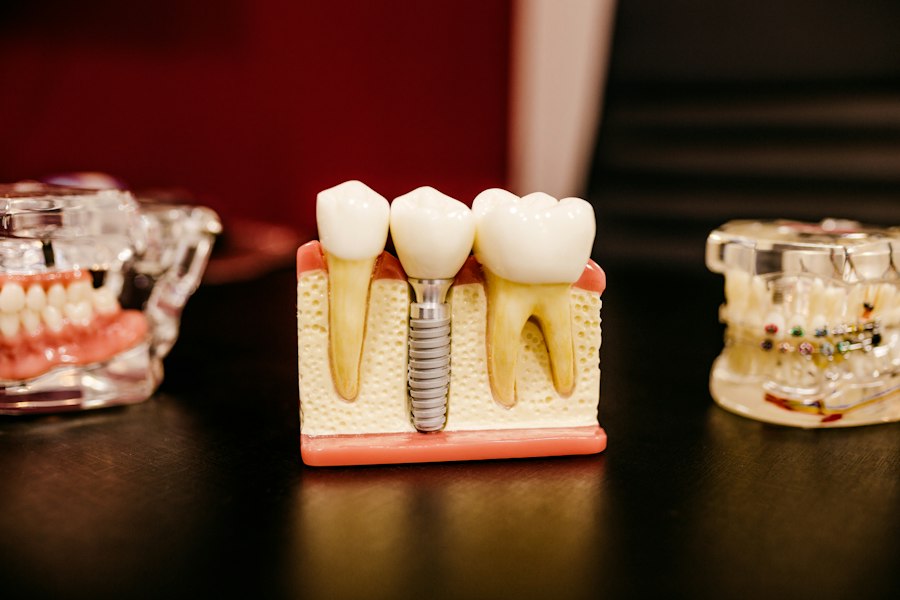
A dental crown is a cap that covers the whole visible part of a tooth, from the gum line up, to restore its shape, strength and bite. It is cemented over a tooth that has been reduced in size to make room for it.4 Zirconia (zirconium dioxide) is a white ceramic that is milled from a solid block and then sintered at around 1,500°C into one of the hardest materials used in dentistry. It is the same family of ceramic used in hip replacements.
A monolithic zirconia crown is milled from a single block with no porcelain layer on top, so there is nothing to chip off. The colour is built into the block and finished with stain and glaze. A multilayer zirconia crown is milled from a block with graded translucency, so the biting edge lets more light through than the neck, closer to how enamel behaves on a front tooth. Both are made in our in-house lab from a 3D scan of your prepared tooth, milled overnight and finished by a ceramist the next morning.
What a crown does that a filling or a veneer cannot
- Holds a cracked or heavily filled tooth together so it does not split under the bite
- Protects a root-treated tooth, which is dry and brittle, from fracturing
- Rebuilds a tooth worn short by grinding or acid
- Restores a broken tooth that has lost a cusp or a corner
- Sits on top of a dental implant to replace a missing tooth; the crown is included in our €550 implant price
A crown is a repair for a damaged tooth. It is not a cosmetic surface treatment. For healthy teeth that only need a change of colour or shape, see E-max veneers, which remove 0.3–0.5 mm of enamel instead of 1.0–1.5 mm of tooth.
Zirconia vs E-max vs metal-ceramic crowns: which is right?
Four materials cover almost every crown made today. The right one depends on where the tooth is, how hard you bite and how much it shows when you smile.
| Monolithic zirconiaUsually our pick | Multilayer zirconia | E-max (lithium disilicate) | Metal-ceramic (PFM) | |
|---|---|---|---|---|
| Suited to | Back teeth, grinders, root-treated teeth, implant crowns | Front teeth and premolars that show when you smile | Single front teeth where translucency matters most | The older standard; now mainly chosen on cost alone |
| Flexural strength | 900–1,200 MPa | 550–800 MPa | 360–400 MPa | Strong metal core; porcelain layer 90–120 MPa |
| Looks | Good; slightly more opaque than enamel | Very natural, graded translucency | Most lifelike of all | Opaque; grey line at the gum over time |
| Tooth removed | 1.0–1.5 mm | 1.0–1.5 mm | 1.0–1.5 mm | 1.2–1.5 mm plus space for the metal |
| Chipping risk | Very low: no porcelain layer | Low | Low on front teeth, higher on molars | Porcelain chipping is the main complication |
| Typical lifespan | 10–15+ years | 10–15+ years | 10–15 years | 10–15 years |
| Price at Denture | €190 | €240 | €260 | Not offered |
For most crowns we recommend monolithic zirconia: the strongest option, nothing to chip, and natural-looking on all but the most visible front teeth. For front teeth that show, multilayer zirconia or E-max give a more lifelike result. We stopped fitting metal-ceramic crowns because they show a dark line at the gum and their porcelain chips more often than monolithic ceramic.12
Is a zirconia crown right for you?
A crown is right when a tooth has lost too much of itself to be repaired safely any other way. We check this on your X-rays and scan, tooth by tooth, and your written plan explains why each crown is there.
A good fit if you have
- A large or failing filling that takes up more than half the tooth
- A cracked tooth, or one that has lost a cusp or a corner
- A root-treated tooth, which needs protecting from fracture
- Teeth worn short by grinding or acid erosion
- An old metal-ceramic crown with a grey gum line or decay underneath
- A dental implant that needs its final tooth
Better options if you have
- Healthy teeth you want whiter or more evenE-max veneers
- A missing tooth with nothing left to crownDental implant
- Crooked teeth with a healthy biteInvisalign® first
- Teeth that are only yellowLaser whitening
- A small chip on a front toothComposite bonding
- Active gum disease or untreated decayTreat these first
Benefits and downsides of zirconia crowns
A well-made crown can save a tooth that would otherwise be lost. It is also the most invasive restoration we offer, so you should know both sides before you agree to one.
Advantages
- Protects a weak tooth from splitting and can keep it working for decades
- The strongest dental ceramic: zirconia tolerates heavy bites and grinding
- Metal-free, so no grey line at the gum and no metal allergy
- Monolithic designs have no porcelain layer to chip
- Smooth, stain-resistant surface that gums tolerate well
- Made overnight in our own lab, so one trip of 3–5 days
Things to know
- Irreversible: 1.0–1.5 mm of tooth is removed all round and can never be put back
- A share of crowned live teeth, studies put it around 10–15% over 10 years, later need root canal treatment because the nerve reacts to the preparation
- Sensitivity to hot and cold for a few days to a few weeks after fitting is common
- The tooth under the crown can still decay at the edge if plaque is left there
- Zirconia cannot be whitened, so the shade you choose is the shade you keep
- It is a bigger treatment than a filling or a veneer, and we will say so when one of those does the job
Crowns on healthy teeth: what 'Turkey teeth' really are
'Turkey teeth' are, almost always, full crowns placed on healthy teeth for cosmetic reasons. Someone wanted whiter, straighter teeth, was sold a 'Hollywood smile' package of 20–28 crowns, and had every tooth filed down to a peg so a cap could cover it. The viral photos of pointed stumps are what healthy teeth look like after crown preparation.
A crown preparation removes around 63–72% of the tooth above the gum; a veneer preparation removes 3–30%.3 On a damaged tooth that structure is already gone, so a crown costs the tooth nothing extra. On a healthy tooth the loss is the whole price, paid for life: a higher chance that the nerve dies and needs root canal treatment, gums that have to live with 20 new margins, and a cycle of replacement crowns every 10–15 years, each one taking a little more tooth. UK dental bodies have warned patients about exactly this.56
Our policy
- No crowns on healthy teeth. If a tooth is healthy and you want it whiter or straighter, we offer whitening, aligners, bonding or veneers. If you ask us to crown a healthy tooth anyway, we decline.
- Every crown is justified in writing. Your plan names the tooth, shows it on your X-ray and says why a filling, an onlay or a veneer is not enough.
- Mixed plans are normal. A typical smile makeover here might be 8 veneers and 2 crowns: crowns on the two root-treated teeth, veneers on the rest. The Hollywood smile page explains how we design a full smile without crowning healthy teeth.
- Natural shades by default. Most patients choose BL2–BL3 or A1, matched to the teeth we are not treating, rather than a flat BL1 white.
The crown process: your 3–5 days in Istanbul
One trip, with the lab work done overnight in our own lab. Most patients with a few crowns are finished in 3 days; 6 or more crowns, or a root canal first, usually need 4–5.
- Day 1
Consultation, X-rays & preparation
Check-up, X-rays and a 3D scan to confirm the plan you were sent. If a tooth needs a root canal or a post and core, we do that first. Under local anaesthetic each tooth is shaped, 1.0–1.5 mm all round, scanned again, and fitted with a temporary crown the same day.
- Day 2
Overnight milling & finishing
Your crowns are designed digitally, milled from a zirconia block overnight and sintered. In the morning a ceramist stains and glazes them to match your other teeth. Your day is free.
- Day 3
Try-in
Each crown is tried in. We check the fit at the gum line with an X-ray, the contact with neighbouring teeth, the bite and the shade in daylight. If anything needs changing, the lab adjusts it the same day. Single crowns are often cemented at this visit.
- Day 4–5
Cementing & aftercare
Crowns are bonded with resin cement, the bite is checked again and polished. You receive aftercare instructions, a night guard if you grind, and your warranty certificate listing the material and batch of every crown.
How much do zirconia crowns cost in Turkey? (2026 prices)
Our prices are fixed once quoted in writing and include the temporary crown and the try-in. UK figures are typical private-clinic fees for the same treatment, for comparison.
| Treatment | Denture | UK private | Includes |
|---|---|---|---|
| Monolithic zirconia crownper toothMost chosen | €190 | Temporary crown, try-in, 10-year warranty | |
| Multilayer aesthetic zirconia crownper tooth, front teeth | €240 | Shade matching, temporary, try-in | |
| E-max crownper tooth, front teeth | €260 | Shade matching, temporary, try-in | |
| Root canal treatmentper tooth | €120 | X-rays, rubber dam, 1–2 visits | |
| Post and coreper tooth | €60 | Fibre post, core build-up | |
| 8 zirconia crownspackage | €1,520 | Temporaries, try-in, night guard |
Every crown plan includes
- Consultation, X-rays and 3D scan
- Temporary crown while yours is made
- Try-in with an X-ray check of the fit before cementing
- Bite adjustment and polish
- Night guard if you grind your teeth
- 10-year written warranty
- Hotel and airport transfers on plans over €2,000; below that, a 4★ hotel is €75 per night
How long do zirconia crowns last, and how do you look after them?
Well-made zirconia crowns typically last 10–15 years or more, and many go well beyond that. In systematic reviews, around 92–96% of ceramic single crowns are still in place at 5 years, and the complication that most often shortens a crown's life, chipping of a porcelain layer, does not apply to monolithic zirconia.12 What usually ends a crown is not the crown itself but the tooth under it: decay at the margin, or a nerve that dies.
Our 10-year written warranty covers fracture, debonding and a margin that fails under normal use. It does not cover a tooth that decays under a crown because it was not cleaned, so the list below matters.
Aftercare that makes the difference
- Brush twice a day, paying attention to the gum line where the crown meets the tooth.
- Clean between teeth daily with floss or interdental brushes. A crown's edge is where decay starts.
- Wear your night guard if you clench or grind. Zirconia survives it, but the opposing teeth and the cement joint may not.
- Do not use crowned teeth as tools: no ice, nutshells or bottle caps.
- See a dentist every 6–12 months, with an X-ray of the margins every 2–3 years. We send your records to your own dentist or to one of our partner dentists in the UK, Germany or the Netherlands.
If a crown chips or comes loose at home, message your coordinator with a photo. We arrange a video review within 48 hours. A loose crown can usually be recemented by any dentist in 20 minutes; a remake under warranty is done here, with your flights and hotel covered.
What can go wrong with a crown?
Most crowns are fitted without any problem beyond a few days of sensitivity. The risks below are real, though, and you should hear them from us before the drill starts.
- Sensitivity. Hot and cold sensitivity for a few days to a few weeks is common after preparation and again after cementing. It settles on its own in most cases.
- Nerve irritation. Preparing a tooth heats and stresses the nerve. Most recover. Studies suggest roughly 10–15% of crowned live teeth need root canal treatment within 10 years. If it happens, the root canal can usually be done through a small opening in the crown without replacing it.
- Chipping. Monolithic zirconia almost never chips. Layered porcelain on zirconia or metal does, which is why we use monolithic designs on back teeth and for anyone who grinds.1
- Margins and gums. A crown edge that is rough, over-contoured or sits too deep inflames the gum. We check every margin with an X-ray at the try-in and keep edges at or just below the gum line.
- Wear on opposing teeth. Polished zirconia is kind to enamel; rough or badly glazed zirconia is not. Every crown leaves our lab polished, and we check your bite again before you fly.
- Debonding. A crown can come loose, usually years later, if the cement washes out or decay undermines it. It is recemented or remade.
- Bite changes. A crown that is a fraction too high causes jaw ache within days. We adjust it before you leave, and any dentist at home can refine it in minutes.
If you grind your teeth
Bruxism is the single biggest threat to any crown. Tell us, or let us see the wear facets on your scan. We will choose monolithic zirconia, design a flatter biting surface and give you a night guard, included in your plan.
Is it safe to get crowns in Turkey?
Yes, at a licensed clinic with specialists who refuse to crown healthy teeth. The material and the technique are the same as in the UK. The difference abroad is the range of standards, from excellent to harmful, so the checks below matter more than the price.56
What to check, and what we offer
- Licensing. Denture is licensed and audited by the Turkish Ministry of Health and certified to ISO 9001:2015. We have treated patients from 40+ countries since 2009.
- Who treats you. Crowns here are planned and fitted by a specialist prosthodontist, named in your plan.
- Diagnosis before quote. We do not quote a crown without an X-ray. Send your existing X-rays, or we take them on day 1 and confirm the plan before any tooth is prepared.
- Materials you can trace. Your warranty certificate lists the zirconia block brand and batch number for every crown.
- A fixed, itemised price. Per tooth, in writing, including root canals and posts where needed. It does not change when you arrive.
- Warranty with travel. 10 years in writing. If a crown fails under warranty, the remake, your flights and your hotel are covered.
- Aftercare at home. Video reviews within 48 hours and partner dentists in the UK, Germany and the Netherlands for anything that needs hands.
Why cheap quotes are often not cheap
A low per-crown price that leaves out the root canal, the post, the temporary or the try-in becomes a different number in the chair. Compare the total for your named teeth with everything included, and ask what happens, and who pays, if a crown fails after you fly home.
Before & after
 BeforeAfter
Questions patients ask
At Denture in Istanbul a monolithic zirconia crown costs €190 per tooth in 2026, a multilayer aesthetic zirconia crown €240 and an E-max crown €260, compared with around £520 for a zirconia crown at a UK private clinic. Prices include the temporary crown, the try-in and a 10-year written warranty.
Neither is better for every tooth. Zirconia is roughly three times stronger, so it suits back teeth, grinders and root-treated teeth. E-max is more translucent and looks most natural on a single front tooth. Multilayer zirconia sits between the two. Your dentist chooses tooth by tooth, and your plan says which and why.
Typically 10–15 years or more. Systematic reviews show around 92–96% of ceramic crowns surviving 5 years, and monolithic zirconia avoids the chipping that shortens layered crowns. Denture gives a 10-year written warranty. Cleaning at the gum line and a night guard if you grind are what extend a crown's life.
Not when made well. Monolithic zirconia is slightly more opaque than enamel, which rarely shows on back teeth. On front teeth we use multilayer zirconia or E-max, matched to your own teeth in shades such as BL3 or A1 rather than a flat white. The crowns that look fake are usually too white and too many.
No. A crown covers the whole tooth and removes 1.0–1.5 mm all round; a veneer covers only the front and removes 0.3–0.5 mm. A crown is for a damaged tooth, a veneer for a healthy one you want to change cosmetically. 'Turkey teeth' are crowns used where veneers, or nothing, should have been.
You can, but you should not, and we do not do it. Crowning a healthy tooth removes 63–72% of its structure for life, raises the chance of needing a root canal and starts a cycle of replacements. For colour or shape changes to healthy teeth we offer whitening, Invisalign®, composite bonding or E-max veneers.
Three to five days in one trip. Day 1 is X-rays, preparation and temporaries; the crowns are milled overnight in our own lab; day 3 is the try-in. Cementing is on day 3 for a few crowns, or day 4–5 for larger plans or when a root canal has to be done first.
Preparation is done under local anaesthetic, so you feel vibration and pressure but not pain. Afterwards, sensitivity to hot and cold for a few days to a few weeks is common and settles on its own. A tooth that aches rather than tingles after a crown should be checked, as the nerve may be inflamed.
Only if the nerve is dead, infected or exposed. Most crowned teeth keep their nerve. If a tooth does need one, we do the root canal (€120) and, where little tooth remains, a post and core (€60) on day 1 before preparing the crown. Your X-rays decide this before you travel, so the price does not change.
Message your coordinator with a photo and we arrange a video review within 48 hours. A loose crown can be recemented by any dentist near you in about 20 minutes. If a crown fails under our 10-year warranty, we remake it free of charge and cover your flights and hotel for the return visit.
No. Zirconia keeps the shade it was made in and does not respond to whitening gel. If you want whiter teeth, we whiten your natural teeth first and match the crowns to the result. Choose a shade you will still want in ten years, not the whitest one on the chart.
Yes. Zirconia is biocompatible, metal-free and has been used in medicine for decades, including in hip replacements. It does not corrode or cause allergies. The risks of a crown come from preparing the tooth, not from the material, which is why we only crown teeth that need it.
Sources
- A systematic review of the survival and complication rates of zirconia-ceramic and metal-ceramic single crownsPjetursson B.E. et al., Clinical Oral Implants Research, 2018
- All-ceramic or metal-ceramic tooth-supported fixed dental prostheses? A systematic review of the survival and complication rates. Part I: Single crownsSailer I. et al., Dental Materials, 2015
- Tooth structure removal associated with various preparation designs for anterior teethEdelhoff D., Sorensen J.A., Journal of Prosthetic Dentistry, 2002
- Dental treatments: crownsNHS (nhs.uk)
- Dental treatment abroad: advice for patientsBritish Dental Association
- Going abroad for dental treatmentGeneral Dental Council (UK)